
Dropshipping vs Reseller: Mana yang Lebih Menguntungkan?
Understanding Business Models
Dropshipping Model
Dropshipping adalah business model dimana retailer tidak keep inventory. Ketika customer order produk, retailer purchase item dari third party (biasanya wholesaler atau manufacturer) yang kemudian ship directly ke customer. Retailer tidak pernah physically handle product.
Reseller Model
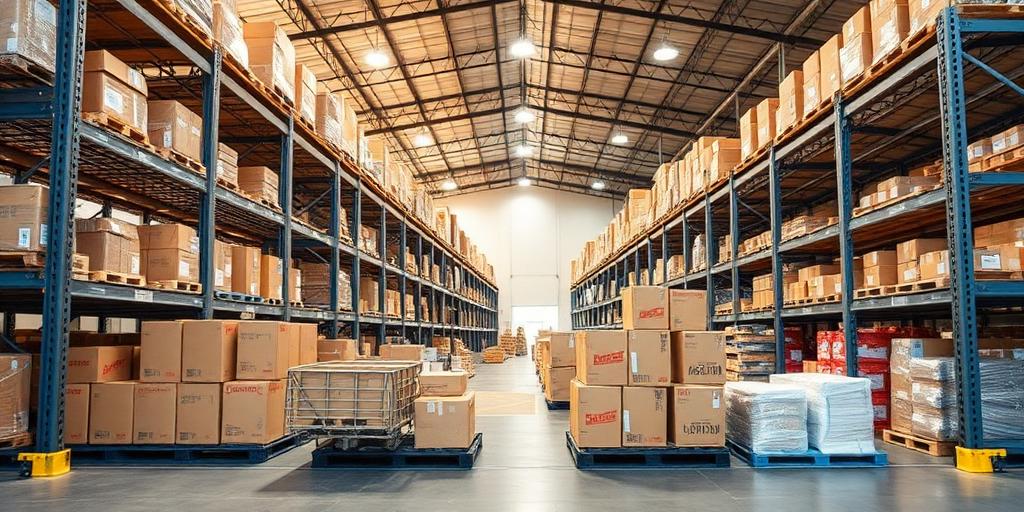
Reseller model adalah traditional retail approach dimana business purchase products dalam bulk dari supplier, store inventory, kemudian sell kepada end customers. Reseller handle storage, packaging, dan shipping sendiri.
Dropshipping: Advantages dan Disadvantages
Advantages Dropshipping
- Low Startup Costs: Tidak perlu invest dalam inventory
- Location Independence: Bisa run business dari anywhere
- Wide Product Selection: Offer thousands products tanpa buying stock
- Easy to Scale: Add new products without additional investment
- No Inventory Management: Tidak worry tentang storage atau expired products
- Reduced Risk: Tidak stuck dengan unsold inventory
Disadvantages Dropshipping
- Lower Profit Margins: Supplier take portion of profits
- Less Control: Dependent on supplier untuk quality dan delivery
- Shipping Issues: Longer delivery times, potential complications
- Limited Customization: Sulit create unique customer experience
- Customer Service Challenges: Handle complaints untuk products tidak control
- High Competition: Easy entry means many competitors
Reseller Model: Advantages dan Disadvantages
Advantages Reseller
- Higher Profit Margins: Buy wholesale, sell retail
- Full Control: Quality control, packaging, branding
- Better Customer Experience: Fast shipping, custom packaging
- Brand Building: Create unique brand identity
- Customer Relationships: Direct customer interaction
- Inventory Insights: Better demand understanding
Disadvantages Reseller
- High Startup Costs: Need capital untuk initial inventory
- Inventory Risk: Products might not sell
- Storage Requirements: Need warehouse atau storage space
- Cash Flow Issues: Money tied up dalam inventory
- Complex Operations: Handle sourcing, storage, shipping
- Limited Product Range: Restricted by available capital
Financial Comparison
Startup Capital Requirements
| Aspect | Dropshipping | Reseller |
|---|---|---|
| Initial Investment | Rp 5-20 juta | Rp 50-200 juta |
| Inventory Cost | Rp 0 | Rp 30-150 juta |
| Storage Cost | Rp 0 | Rp 5-20 juta/month |
Profit Margin Analysis
- Dropshipping Margins: 10-30% typical range
- Reseller Margins: 50-100% atau higher possible
- Volume Impact: Reseller margins improve dengan scale
- Operational Costs: Reseller has higher operational expenses
Operational Complexity Comparison
Day-to-Day Operations
Dropshipping Operations
- Process customer orders
- Forward orders to suppliers
- Update inventory status
- Handle customer service
- Manage supplier relationships
- Update product listings
Reseller Operations
- Source products dari suppliers
- Manage inventory levels
- Quality control inspections
- Package dan ship orders
- Handle returns dan exchanges
- Forecast demand dan reorder stock
Market Suitability Analysis
Best Products untuk Dropshipping
- Trending Items: Fashion accessories, gadgets
- Niche Products: Specialized hobby items
- Low-Weight Items: Minimized shipping costs
- High-Margin Digital: Software, digital products
- Seasonal Products: Holiday atau event items
Best Products untuk Reseller
- Fast-Moving Goods: Consumables, essentials
- Local Products: Items dengan local demand
- Quality-Sensitive: Products where quality matters
- Bulk Discount Items: Volume-based savings
- Brand-Building Products: Items for brand development
Technology Requirements
Dropshipping Tech Stack
- E-commerce Platform: Shopify, WooCommerce dengan dropship apps
- Supplier Integration: APIs atau automated tools
- Inventory Sync: Real-time stock updates
- Order Automation: Automatic supplier order placement
- Analytics Tools: Sales dan performance tracking
Reseller Tech Stack
- Inventory Management: Stock tracking systems
- Warehouse Management: Pick, pack, ship systems
- Shipping Integration: Courier service APIs
- Demand Forecasting: Predictive analytics tools
- Financial Management: Cash flow dan profitability tracking
Customer Experience Differences
Dropshipping Customer Experience
- Shipping Times: 7-30 days depending on supplier location
- Product Quality: Variable, dependent on supplier
- Packaging: Generic supplier packaging
- Customer Service: Limited control over fulfillment issues
- Returns: Complex process involving multiple parties
Reseller Customer Experience
- Shipping Times: 1-3 days local delivery
- Product Quality: Consistent, controlled quality
- Packaging: Custom branded packaging possible
- Customer Service: Direct control over entire experience
- Returns: Streamlined return process
Scaling Considerations
Scaling Dropshipping Business
- Easy Addition: Add new products tanpa investment
- Market Testing: Quick product validation
- Global Reach: Serve international markets easily
- Automation Opportunities: Highly automatable processes
- Supplier Dependence: Success tied to supplier performance
Scaling Reseller Business
- Capital Requirements: More investment needed untuk scale
- Operational Complexity: More complex operations management
- Competitive Moats: Can build stronger competitive advantages
- Brand Value: Stronger brand building opportunities
- Market Control: Better control over market positioning
Risk Assessment
Dropshipping Risks
- Supplier Issues: Supplier reliability problems
- Market Saturation: High competition dalam popular niches
- Platform Dependence: Reliance on e-commerce platforms
- Payment Issues: Chargebacks dari delivery problems
- Brand Reputation: Damage dari poor supplier performance
Reseller Risks
- Inventory Risk: Unsold stock losses
- Cash Flow Risk: Capital tied up dalam inventory
- Market Demand: Forecasting errors
- Storage Costs: Ongoing storage expenses
- Product Obsolescence: Technology atau fashion changes
Legal dan Compliance Considerations
Dropshipping Compliance
- Consumer Protection: Responsible untuk customer complaints
- Tax Obligations: Sales tax dalam applicable jurisdictions
- Product Liability: Potential liability untuk defective products
- Advertising Rules: Truth dalam advertising requirements
Reseller Compliance
- Business Licensing: Local business permits
- Product Standards: Compliance dengan safety regulations
- Import/Export: International trade regulations
- Warranty Obligations: Product warranty responsibilities
Success Strategies
Dropshipping Success Tips
- Niche Selection: Find profitable, less competitive niches
- Supplier Vetting: Thoroughly research supplier reliability
- Customer Service: Excellent communication dan support
- Marketing Focus: Strong digital marketing skills
- Automation: Automate repetitive processes
Reseller Success Tips
- Product Selection: Choose products dengan strong demand
- Supplier Relationships: Build strong partnerships
- Inventory Management: Efficient stock control systems
- Customer Experience: Focus on superior service
- Brand Building: Develop strong brand identity
Hybrid Approaches
Combining Both Models
- Start Dropshipping: Test products dengan dropshipping
- Identify Winners: Find best-selling products
- Stock Popular Items: Buy inventory untuk winners
- Continue Dropshipping: New atau slow-moving items
- Gradual Transition: Move to full reseller untuk proven products
Indonesian Market Context
Local Considerations
- Shipping Infrastructure: Domestic shipping faster/cheaper
- Consumer Preferences: Local products often preferred
- Payment Methods: Local payment preferences
- Regulations: Indonesian e-commerce regulations
- Competition: Local marketplace dynamics
Financial Projections
Year 1 Revenue Potential
- Dropshipping: Rp 100-500 juta (depends on marketing)
- Reseller: Rp 200-1 miliar (depends on capital)
- Profit Margins: Dropshipping 15-25%, Reseller 30-60%
- Break-even: Dropshipping 3-6 months, Reseller 6-12 months
Decision Framework
Choose Dropshipping If:
- Limited startup capital (under Rp 50 juta)
- Want to test market quickly
- Prefer location independence
- Strong digital marketing skills
- Risk-averse regarding inventory
Choose Reseller If:
- Adequate startup capital (Rp 100+ juta)
- Want higher profit margins
- Focus on customer experience
- Building long-term brand
- Have access to good suppliers
Getting Started Action Plan
Dropshipping Launch (30 days)
- Research niche dan products (Week 1)
- Find reliable suppliers (Week 2)
- Set up e-commerce store (Week 3)
- Launch marketing campaigns (Week 4)
Reseller Launch (90 days)
- Market research dan product selection (Month 1)
- Supplier negotiations dan initial orders (Month 2)
- Setup operations dan launch store (Month 3)
Kesimpulan
Neither dropshipping nor reseller model adalah inherently better – success depends on your specific situation, goals, dan execution. Dropshipping adalah excellent starting point untuk entrepreneurs dengan limited capital who want to test markets quickly. Reseller model offers higher profit potential dan better control but requires more investment dan operational complexity.
Consider starting dengan dropshipping untuk validate products dan market, kemudian transitioning to reseller model untuk best-performing items. This hybrid approach minimizes risk while maximizing long-term profit potential. Ultimately, success dalam either model requires dedication, continuous learning, dan focus pada customer value creation.
Butuh Bantuan Setup Webstore?
Tim Storo.id siap membantu Anda setup webstore dari data Shopee. Konsultasi gratis!